Food for Peace Restarts at USDA with 100 Percent U.S. Commodity Focus

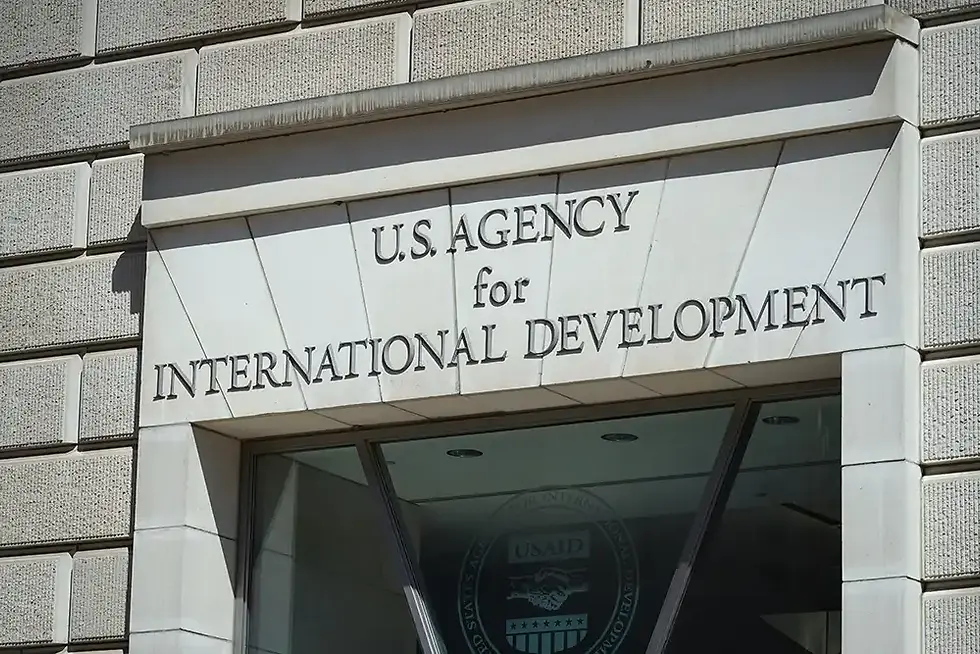
A U.S. program for international food aid is now directed by the U.S. Department of Agriculture (USDA), and some agriculture groups believe it has found its “rightful home.”
The congressionally authorized Food for Peace program, established in 1954, was previously under the jurisdiction of the U.S. Agency for International Development (USAID).
The Trump administration made significant changes to USAID last year. It shuttered Food for Peace alongside USAID then moved it to the State Department where it was dormant for a year.
RELATED: One of the world’s most renowned chefs was among those who heavily criticized the Trump administration for eliminating much of USAID.
Now operated by the USDA, the agency said the program will return to its core function of delivering lifesaving food assistance.
North American Millers' Association Vice President of Government Affairs Kim Cooper said the change is huge, “USDA has shown us that they are planning to move forward with the program and move quickly. We're very excited about this first tranche that's coming out,” she told American Farmland Owner.

New Agreement Between U.S. and United Nations World Food Programme
In February, the Trump Administration announced an agreement with the United Nations World Food Programme (WFP) to deliver $452 million in Food for Peace assistance. The America First food assistance funding would support U.S. farmers by sending 211,000 tons of agricultural goods to people in need in the Democratic Republic of the Congo, El Salvador, Ethiopia, Guatemala, Haiti, Kenya, and Rwanda.
The announcement was timely according to Cooper, “We were at a real risk of the pipeline for international food aid beginning to break down. And once that pipeline breaks down, it doesn't come back very easily.”
However, some ag groups always believed Food for Peace belonged at USDA according to Cooper. She said it is Farm Bill-authorized and ag-appropriated. Additionally, the USDA controls other international in-kind programs. Cooper called the USDA its “rightful home.”
Prioritizing 100 Percent U.S. Commodities
In the announcement, USDA also said it adopted a few reforms with the WFP and USDA partners, among them: “Procurement of commodities of 100% U.S. origin.”
Cooper said focusing on U.S. commodities restores the original intent of the Food for Peace program. “USAID was not wholly focused on U.S. commodities and at times bought from U.S. agricultural competitors, which is not something that any of our groups support,” she said. “So, we're very excited about the reforms at USDA.”
The U.S. Department of Agriculture Under Secretary for Trade and Foreign Agricultural Affairs Luke Lindberg said he was thrilled to share homegrown products to the world. “The Food for Peace program will benefit American farmers and producers and help people in need around the world in a way that respects hardworking American taxpayers,” Lindberg said in a statement.
Cooper pointed to an immediate impact to U.S. commodities, “We've got millers that participate in the program who had to lay off some of their workforce. So, they're coming back online to make sure that those food products are available for the program.”
The USDA said it expects the initial Food for Peace award will lead to bulk purchases of U.S. agricultural commodities including ready-to-use supplemental food, wheat, Corn-Soy Blend Plus, beans, peas, lentils, rice, sorghum, and vegetable oil.
RELATED: A donor helped to revive this U.S. research lab that lost funding because of Trump administration cuts. The lab will once again develop farm opportunities across the globe.
Food Aid Leads to Markets
The USDA said its actions will advance a commitment to ensure international assistance showing a measurable return on investment for Americans. Adding U.S. food aid would flow back to the farmers, ranchers, and producers who make the assistance possible.
International food aid can go beyond the important job of feeding hungry people according to Cooper. “Not only is Food for Peace a great avenue for soft power, with people across the world being fed by Americans from our bountiful fields, that's really something tangible that matters in terms of diplomacy,” Cooper said. “But in addition to that, it does open up markets.”
Food aid gives people across the world a taste of U.S. commodities according to Cooper. She cited the Philippines as an example. Previously the country was a food aid recipient, now it’s the number two export market for U.S. wheat.


